
Get Gas Line Installation
Gas line installation services help property owners safely add or upgrade natural gas lines for appliances, heating, or outdoor projects by connecting with experienced local contractors.
Property owners considering gas line installation often seek reliable local contractors to handle the project efficiently and safely. Whether upgrading an existing system, expanding for new appliances, or planning a complete overhaul, having access to experienced service providers can simplify the process of planning and comparing options within the community. Exploring local professionals ensures that the work aligns with regional standards and specific property needs, making it easier to make informed decisions.
Continuing to explore available local gas line installation services can help property owners find qualified contractors who meet their project requirements. By reviewing different options, property owners can gather the practical information needed to select the right service providers for their specific goals. This approach supports a well-informed planning process, ensuring that the work is handled by trusted professionals familiar with the local area.
- Gas Line Installation - when upgrading or expanding a home's natural gas supply for appliances or heating systems.
- Emergency Gas Line Repair - if a gas leak or line damage poses safety concerns or requires immediate attention.
- New Construction Gas Piping - during the development of new buildings or additions needing reliable gas connections.
- Gas Line Replacement - when old or damaged gas lines need to be updated to ensure safety and efficiency.
- Gas Line Inspection - to verify the integrity of existing gas lines or prepare for renovations involving gas connections.
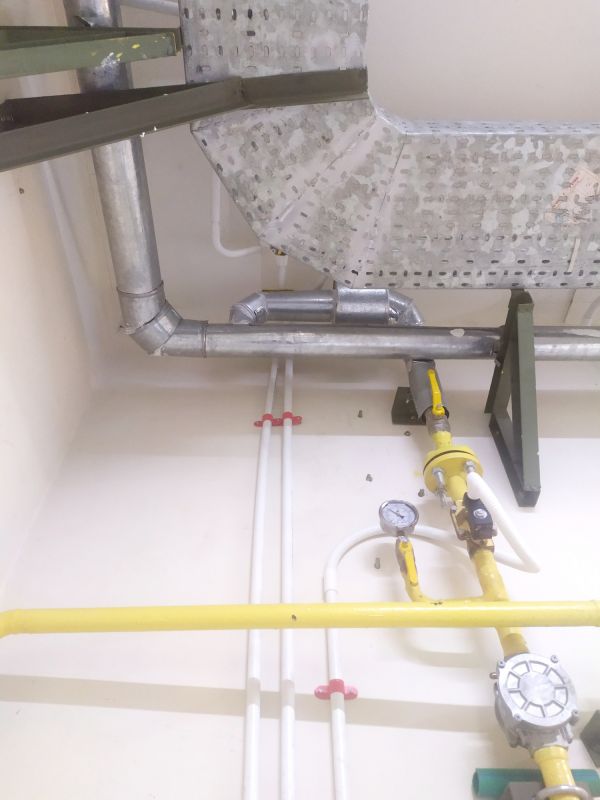
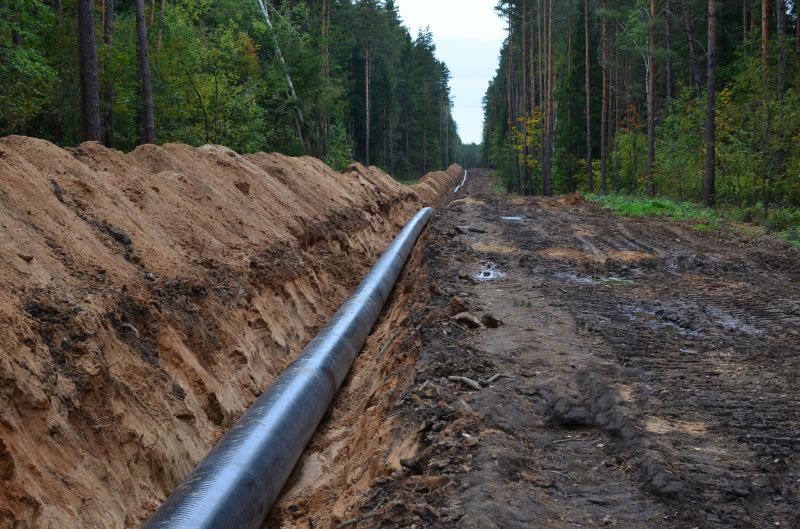
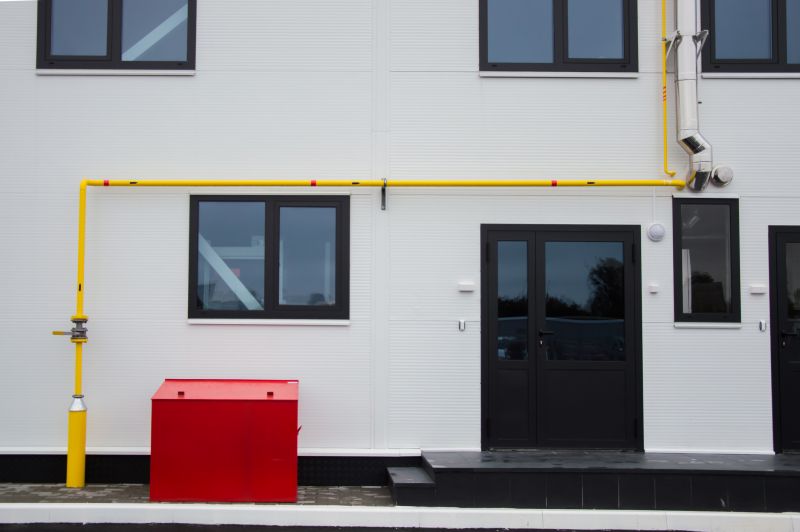
Gas line installation services involve setting up the piping system that supplies natural gas or propane to a property. This process typically includes planning the route for the gas lines, ensuring proper connection points, and installing durable piping that meets safety standards. Skilled contractors handle the entire installation to ensure the system functions efficiently and safely, whether for residential kitchens, heating systems, or outdoor appliances. Proper installation is essential to prevent leaks, ensure consistent fuel flow, and comply with local codes and regulations.
These services help resolve common problems such as outdated or damaged gas lines, leaks, or insufficient gas supply for appliances. Homeowners who are renovating or upgrading their kitchens, installing new heating systems, or adding outdoor cooking areas may need professional gas line installation. Additionally, properties experiencing issues with inconsistent gas pressure or frequent leaks can benefit from a thorough assessment and potential replacement of existing piping. Having a reliable gas line in place enhances safety, efficiency, and convenience for everyday household needs.
Gas line installation is typically required for a variety of property types, including single-family homes, multi-unit residential buildings, and commercial properties that rely on gas appliances. Residential properties often use gas lines for stoves, water heaters, fireplaces, and outdoor grills. Commercial spaces such as restaurants or industrial facilities may also need extensive gas piping to support multiple appliances or specialized equipment. Whether upgrading an existing system or installing new lines, experienced local contractors can assess the property’s needs and deliver a tailored solution.
Homeowners should consider gas line services when planning major appliance installations, experiencing issues with their current gas piping, or undertaking renovations that involve new gas-powered equipment. Properly installed gas lines ensure a safe and reliable supply of fuel for everyday use. Consulting with local service providers can help determine the best approach for each property, ensuring the system is installed correctly and functions as intended. This proactive step supports a safe, efficient, and functional gas supply tailored to the specific needs of the property.
The overview below groups typical Gas Line Installation projects into broad ranges so you can see how smaller, mid-sized, and larger jobs often compare in your area.
In many markets, a large share of routine jobs stays in the lower and middle ranges, while only a smaller percentage of projects moves into the highest bands when the work is more complex or site conditions are harder than average.
Smaller Repairs - Typical costs for routine gas line repairs or small upgrades usually fall between $250 and $600. Many projects in this range involve fixing leaks or replacing a short section of pipe. Fewer jobs push into higher cost brackets, which are reserved for more extensive repairs.
Partial Replacement - Replacing a segment of an existing gas line often costs between $1,000 and $2,500. Most projects in this category are straightforward replacements of sections, while more complex jobs can reach $3,500 or more depending on the scope.
Full Gas Line Replacement - Complete replacement of a gas line system typically ranges from $3,000 to $7,000. Larger, more intricate projects, such as rerouting lines or working in difficult spaces, can exceed $8,000, though these are less common.
New Gas Line Installation - Installing new gas lines for a residential property generally costs between $2,500 and $6,000. The price varies based on the size of the property and complexity of the layout, with larger homes or extensive systems reaching higher costs.
Actual totals will depend on details like access to the work area, the scope of the project, and the materials selected, so use these as general starting points rather than exact figures.
Natural Gas Line Installation - local contractors can install or upgrade natural gas lines for heating, appliances, or outdoor grills, requiring similar planning and piping skills.
Propane Line Setup - professionals can handle propane line installation for residential or commercial use, involving precise piping and safety considerations.
Gas Appliance Hookup - connecting gas appliances such as water heaters or stoves involves similar knowledge of gas line connections and system integration.
Gas Leak Detection and Repair - identifying and fixing gas leaks requires expertise in piping systems and safety protocols related to gas lines.
Underground Utility Installation - installing underground utilities like water or electrical lines shares planning and trenching skills with gas line projects.
HVAC Gas Line Services - installing or servicing gas lines for HVAC systems involves similar technical skills and adherence to safety standards.
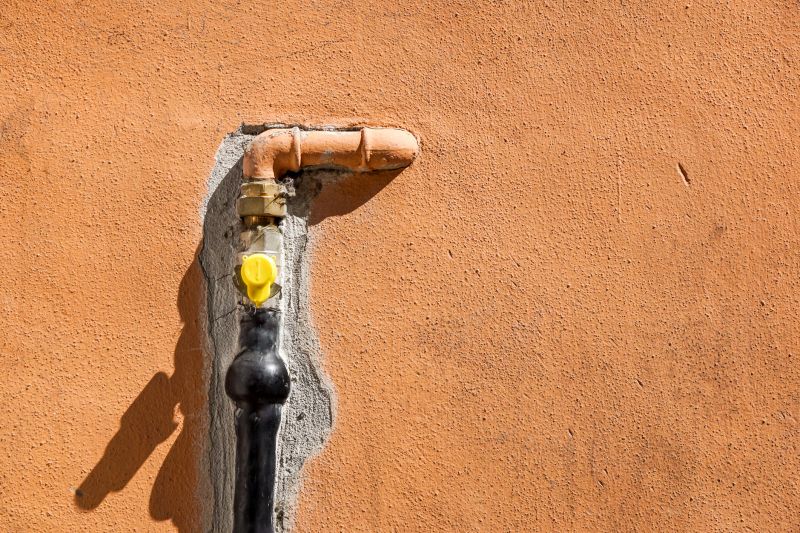
When selecting a service provider for gas line installation, it’s important to consider their experience with similar projects. Homeowners should look for local contractors who have a proven track record of handling jobs comparable in scope and complexity. Asking about the types of projects they have completed can provide insight into their familiarity with the specific requirements and challenges associated with gas line work. A contractor’s experience can help ensure that the installation is performed safely and efficiently, reducing the likelihood of issues down the line.
Clear, written expectations are essential to a successful project. Homeowners should seek service providers who can offer detailed descriptions of the work scope, including the materials to be used and the steps involved. Having this information in writing helps prevent misunderstandings and provides a reference point throughout the project. It’s also beneficial to confirm that the contractor understands and can meet the homeowner’s specific needs, which can be clarified through open and transparent communication before any work begins.
Reputable references and good communication are key indicators of a trustworthy local contractor. Homeowners should ask for references from past clients who had similar work done and follow up to learn about their experiences. Additionally, choosing a service provider who is responsive and clear in their communication can make the process smoother. Good communication ensures that questions are answered promptly and expectations are aligned, helping to foster a positive working relationship. It’s important to remember that this site introduces homeowners to local options, serving as a resource to compare and connect with qualified service providers rather than performing the work itself.
Property owners use Gas Line Installation services for practical projects around their homes and businesses. This guide focuses on everyday jobs and straightforward project options.
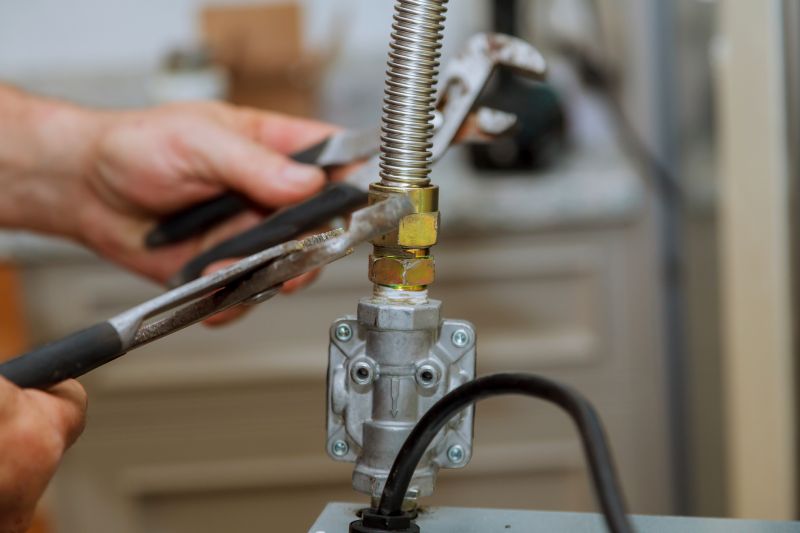
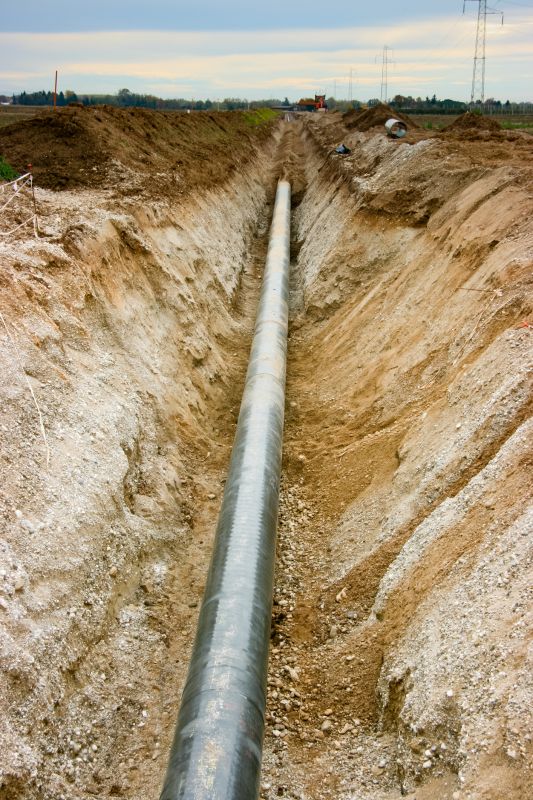
Gas line installation services are often needed when property owners are upgrading or adding new appliances such as fireplaces, water heaters, or outdoor grills. In some cases, existing gas lines may require repairs or modifications to ensure safe and reliable operation. Local contractors can assist with these projects, helping homeowners and business owners update their systems, comply with local codes, or expand their gas supply to new areas of the property.
Property owners in the area might also seek gas line installation when constructing new buildings or remodeling existing spaces. Whether installing a new gas line for a kitchen renovation or extending lines for outdoor living features, local service providers are equipped to handle a variety of project needs. Connecting with experienced contractors ensures that these installations are completed safely and efficiently, supporting the ongoing functionality of the property.
What is involved in gas line installation? Gas line installation typically includes planning the layout, obtaining necessary permits, and properly installing pipes to connect appliances safely and efficiently.
Are there different types of gas lines for residential use? Yes, common types include galvanized steel, flexible stainless steel, and corrugated stainless steel tubing, each suitable for specific applications and building codes.
What should I consider before hiring a contractor for gas line installation? It's important to verify that local contractors are experienced in gas line work, understand local codes, and have a good reputation for safety and quality.
Can gas lines be added to an existing home? Yes, additional gas lines can be installed to serve new appliances or areas, but it requires proper planning and adherence to safety standards.
What are common reasons to upgrade or replace gas lines? Upgrades or replacements are often needed due to aging pipes, increased demand for appliances, or safety concerns related to corrosion or leaks.
Gas Line Installation for Outdoor Kitchens - Property owners can add gas lines to outdoor cooking areas to enable natural gas or propane-powered grills and appliances.
Upgrading or Extending Gas Lines - Homeowners may need to extend existing gas lines to accommodate new appliances or renovations inside the property.
Installing Gas Lines for Fireplaces - Installing gas lines can provide a convenient and clean way to add or upgrade indoor or outdoor fireplaces.
Adding Gas Lines for Heating Systems - Property owners can have local contractors install gas lines to support central heating units or space heaters for enhanced comfort.
If you are thinking about Gas Line Installation for a property, this guide is meant to help you understand the work, the typical project types, and how different options might fit your plans.
When you are ready, you can use the quote form on this page to share a few details about your project. From there, local pros can review the basics and respond with options that match what you have in mind.