
Get Subfloor Replacement
Subfloor replacement services help property owners fix damaged, rotting, or uneven floors often involved in remodeling, water damage, or structural repairs by connecting them with skilled local contractors.
Property owners considering subfloor replacement often recognize the importance of a solid foundation for their homes or commercial spaces. Whether due to moisture damage, structural concerns, or age-related wear, replacing a compromised subfloor can help improve safety, stability, and the longevity of the entire property. Exploring local contractors who specialize in subfloor work provides an opportunity to compare options and find experienced service providers equipped to handle the specific needs of the project.
Keeping informed about subfloor replacement options can support effective planning and decision-making. By connecting with local contractors, property owners can gather insights on the scope of work, materials, and methods suitable for their property. Continuing to explore available services ensures that the project aligns with individual goals and property requirements, making it easier to move forward with confidence.
- Subfloor Replacement - needed when existing subfloors are damaged, rotted, or compromised to ensure a stable foundation.
- Subfloor Repair - required if there are squeaks, uneven surfaces, or cracks affecting flooring performance.
- Subfloor Installation - necessary during major renovations or new flooring projects that demand a fresh subfloor setup.
- Subfloor Inspection - important before installing new flooring to identify potential issues with the underlying structure.
- Subfloor Leveling - needed when uneven subfloors cause problems with flooring installation or aesthetics.
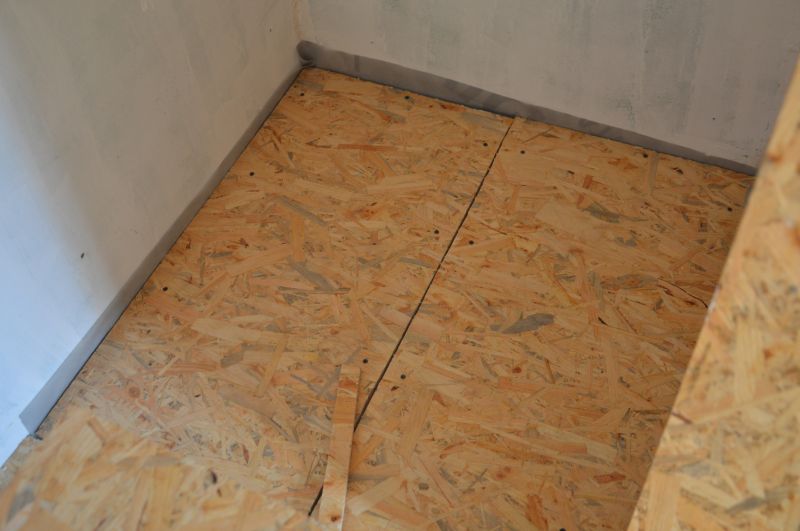
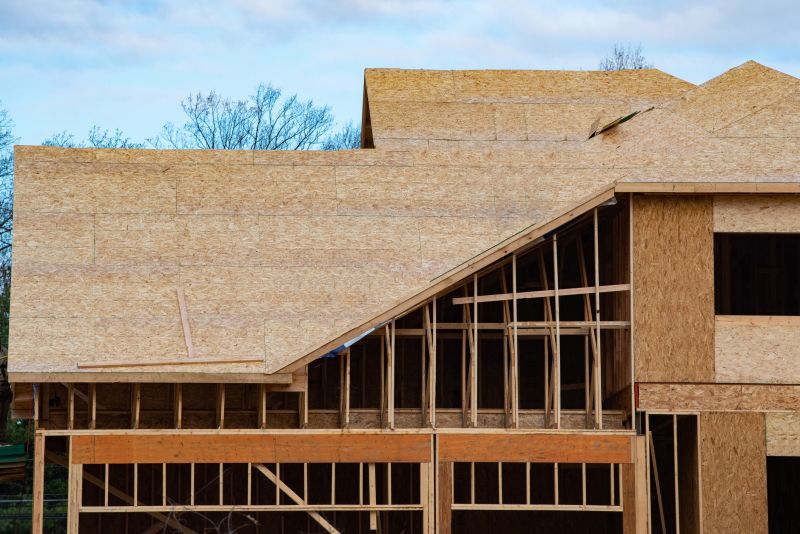
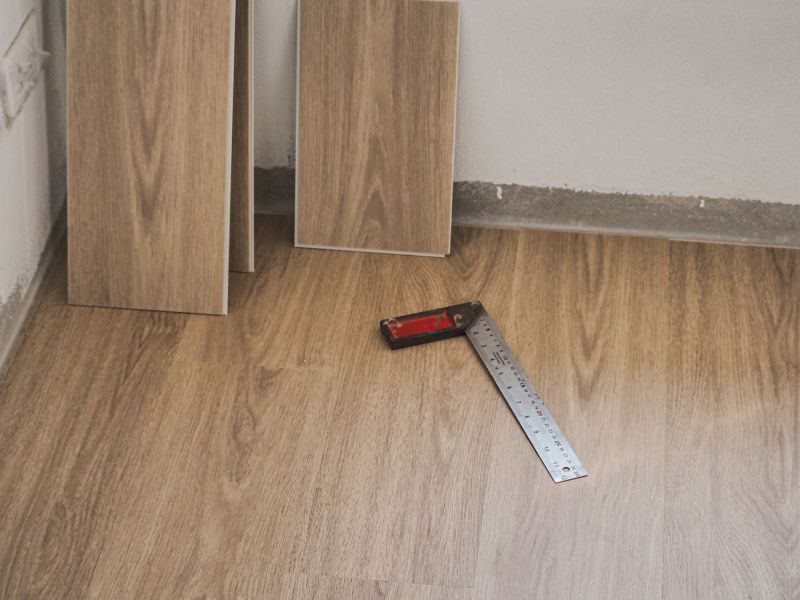
Subfloor replacement services involve removing and installing the foundational layer beneath a building’s flooring. This process is essential when the existing subfloor has become damaged or compromised. Skilled service providers evaluate the condition of the current subfloor, remove any rotted, warped, or deteriorated sections, and replace them with durable, properly installed materials. This ensures a stable base for the finished flooring, helping to restore the overall integrity of the floor system and prevent future issues.
Many property problems can be addressed through subfloor replacement. Common issues include water damage from leaks or flooding, which can cause wood to rot or warp over time. Additionally, termite infestations or pest damage may weaken the subfloor structure. Uneven or squeaky floors, as well as persistent mold or musty odors, can also signal the need for replacement. Addressing these problems promptly can prevent more extensive damage, improve safety, and enhance the longevity of the flooring system.
Subfloor replacement is often needed in residential properties, including single-family homes, apartments, and condominiums. It is also applicable to commercial buildings such as retail spaces, offices, and rental units where the subfloor has sustained damage or deterioration. Properties that have experienced water leaks, flooding, or foundation shifts are particularly likely to require this type of work. Homeowners and property managers typically seek out local contractors who specialize in subfloor services to ensure the work is done correctly and efficiently.
Homeowners should consider subfloor replacement when noticing signs like uneven flooring, persistent odors, or visible damage beneath carpets and flooring materials. If floors feel unstable or squeak excessively, or if there are noticeable cracks or sagging, it may indicate underlying subfloor issues. Addressing these concerns with the help of experienced local service providers can help restore the safety and stability of the flooring system. Contacting professionals for a thorough assessment can determine whether a subfloor replacement is the right solution for maintaining a safe and solid foundation.
The overview below groups typical Subfloor Replacement projects into broad ranges so you can see how smaller, mid-sized, and larger jobs often compare in your area.
In many markets, a large share of routine jobs stays in the lower and middle ranges, while only a smaller percentage of projects moves into the highest bands when the work is more complex or site conditions are harder than average.
Smaller Repairs - Typical costs for minor subfloor repairs generally range from $250 to $600. Many routine jobs fall within this middle range, depending on the extent of damage and materials needed.
Partial Replacement - Replacing sections of a subfloor usually costs between $1,000 and $3,000. Larger, more complex projects can push costs higher, but most projects stay within this range.
Full Subfloor Replacement - Complete replacement of a subfloor often costs between $3,500 and $8,000. These larger projects tend to be less common but are handled by local contractors for more extensive damage.
Large or Complex Projects - Extensive subfloor work, such as structural repairs or multiple rooms, can reach $10,000 or more. Such projects are less frequent and typically involve significant structural considerations.
Actual totals will depend on details like access to the work area, the scope of the project, and the materials selected, so use these as general starting points rather than exact figures.
Flooring Installation - Professionals experienced in flooring installation often have skills in subfloor preparation and ensuring proper surface support for various flooring materials.
Basement Finishing - Basement finishing projects require subfloor replacement to create a stable and level foundation for new flooring and wall systems.
Bathroom Renovations - Bathroom remodels frequently involve subfloor repair or replacement to address water damage and ensure a solid base for tile and fixtures.
Kitchen Remodeling - Kitchen upgrades may include subfloor replacement to support new cabinetry, appliances, and flooring for a durable, level surface.
Concrete Floor Repair - Repairing or leveling concrete floors involves similar planning and tools used in subfloor replacement to ensure stability and smoothness.
Carpet and Vinyl Flooring Projects - Installing carpets or vinyl flooring often requires subfloor preparation to create a flat, secure foundation for the new covering.
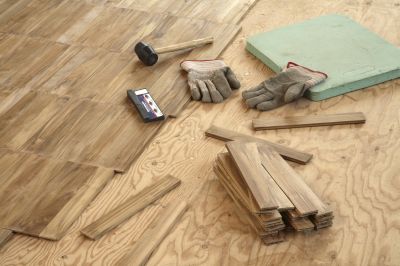
When evaluating service providers for subfloor replacement, it’s important to consider their experience with similar projects. Homeowners should look for local contractors who have a proven track record of handling subfloor work comparable to the scope of their own project. Asking about the types of floors they have worked on and the complexity of past jobs can help ensure the contractor has relevant expertise. An experienced professional is more likely to anticipate potential challenges and deliver results that meet expectations, making it beneficial to review their history of completed projects in the local area.
Clear written expectations are essential to a successful partnership. Homeowners should seek out service providers who can provide detailed descriptions of the work scope, materials to be used, and the process involved. Having these details in writing helps prevent misunderstandings and provides a reference point throughout the project. It’s also wise to inquire about the contractor’s approach to addressing any unforeseen issues that may arise, ensuring that expectations are transparent from the outset and that the project proceeds smoothly.
Reputable references and good communication are key indicators of a reliable local contractor. Homeowners can ask for references from previous clients who had similar work done and follow up to learn about their experiences. Additionally, a contractor who communicates clearly and promptly demonstrates professionalism and respect for the client’s needs. Good communication includes being responsive to questions, providing updates, and explaining procedures in understandable terms. While the site introduces homeowners to local options, it does not perform the work itself, so selecting a service provider with these qualities can help ensure a positive experience with subfloor replacement projects.
Property owners use Subfloor Replacement services for practical projects around their homes and businesses. This guide focuses on everyday jobs and straightforward project options.
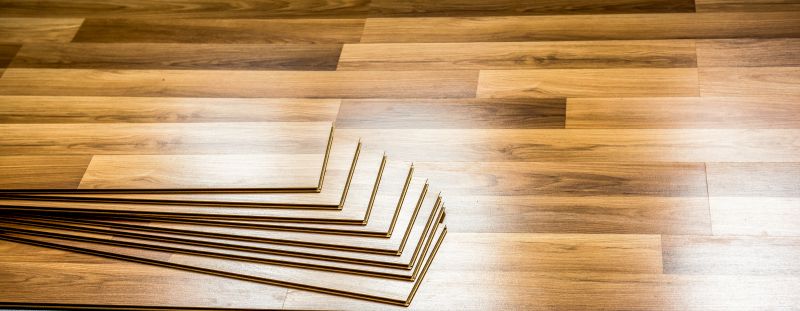
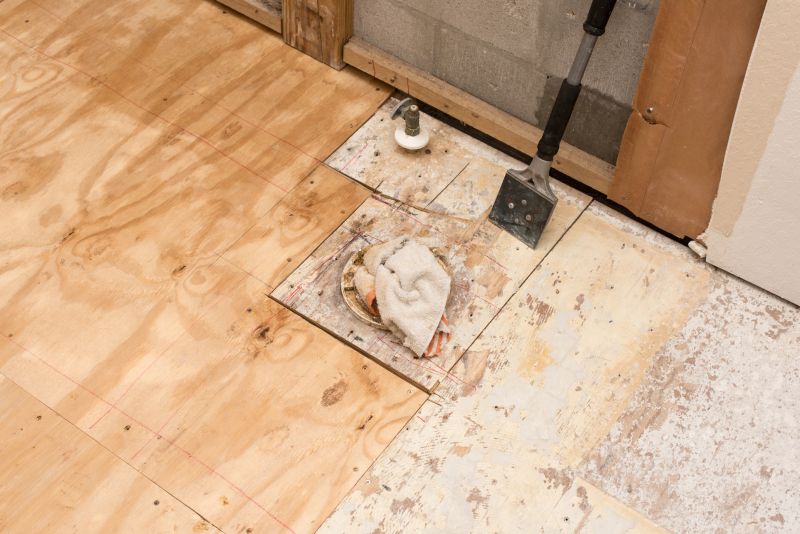
Subfloor replacement services are often needed when property owners notice issues like uneven flooring, creaking sounds, or visible damage beneath their floors. These situations can arise from water leaks, prolonged wear and tear, or structural shifts over time. Local contractors specializing in subfloor work can assess the condition of existing flooring and recommend appropriate solutions to restore stability and safety to a home or commercial space.
Many property owners seek subfloor replacement during renovation projects or when preparing a space for new flooring installations. Additionally, older buildings may require updates to meet current standards or to address hidden damage that has compromised the subfloor’s integrity. Service providers in the area are equipped to handle these projects, ensuring that the subfloor is properly repaired or replaced to support durable and level flooring for years to come.
What are signs that a subfloor needs replacement? Indicators include visible sagging, warping, cracks, or persistent odors that cannot be eliminated through other repairs.
Why should I consider replacing my subfloor? Replacing a damaged subfloor can improve structural stability, prevent further damage, and create a solid foundation for new flooring.
What types of subfloor materials are typically replaced? Common materials replaced include plywood, oriented strand board (OSB), and other engineered wood products that have become compromised.
How do local contractors handle subfloor removal and installation? They typically remove the damaged material carefully, inspect the underlying structure, and then install new subflooring to ensure stability and durability.
Can subfloor replacement be combined with other flooring upgrades? Yes, many service providers can coordinate subfloor replacement with the installation of new flooring for a seamless upgrade.
Subfloor Replacement for Renovations - Property owners planning a home renovation can consider replacing the subfloor to ensure a solid foundation for new flooring installations.
Addressing Structural Issues - When signs of damage or uneven flooring appear, local contractors can replace the subfloor to improve safety and stability.
Preparing for New Flooring - Before installing hardwood, laminate, or tile, replacing the subfloor can create a level surface for better results.
Water Damage Repairs - In cases of water leaks or flooding, subfloor replacement can help eliminate mold and prevent future structural problems.
If you are thinking about Subfloor Replacement for a property, this guide is meant to help you understand the work, the typical project types, and how different options might fit your plans.
When you are ready, you can use the quote form on this page to share a few details about your project. From there, local pros can review the basics and respond with options that match what you have in mind.