
Get Tree Debris Removal
Tree debris removal services help property owners clear fallen branches, storm-damaged trees, and yard clutter by connecting them with local contractors who handle cleanup and disposal.
Property owners in the area often find that managing tree debris is an important part of maintaining a safe and attractive outdoor space. Fallen branches, leaves, and other debris can accumulate quickly, especially after storms or seasonal changes, making regular cleanup essential. Exploring options for tree debris removal helps ensure that outdoor areas remain clean, safe, and visually appealing, supporting overall property upkeep and curb appeal.
For those considering this work, comparing local contractors can provide valuable insights into available services and expertise. Connecting with experienced service providers allows property owners to plan their projects with confidence, knowing they can find the right professionals to handle debris removal efficiently. Keep reading to learn more about how local experts can assist with maintaining a tidy and well-kept property.
- Tree debris removal - homeowners may need this service after a storm causes fallen branches and leaves to accumulate.
- Yard cleanup - property owners seeking to clear away tree debris to prepare for landscaping or seasonal changes.
- Storm damage cleanup - individuals needing to remove tree debris following severe weather events.
- Property maintenance - those looking to keep their yard tidy by regularly removing fallen branches and leaves.
- Emergency tree debris removal - clients requiring urgent assistance with hazardous or blocking debris after unexpected events.
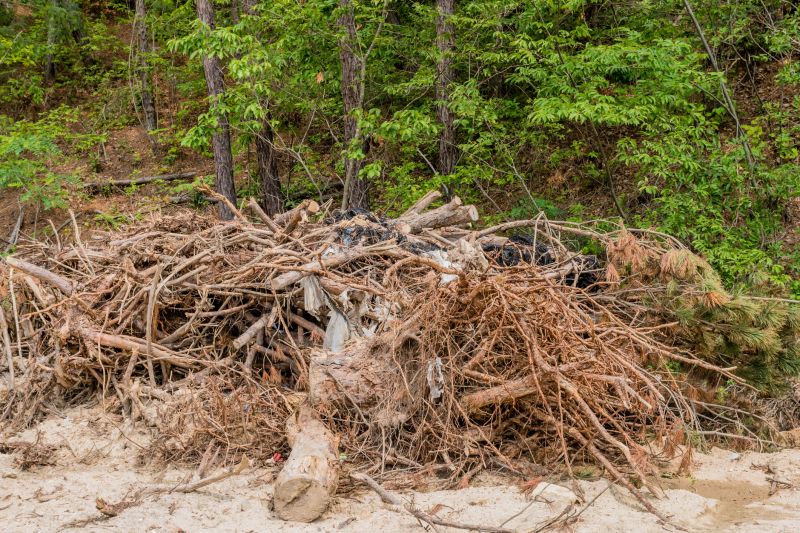
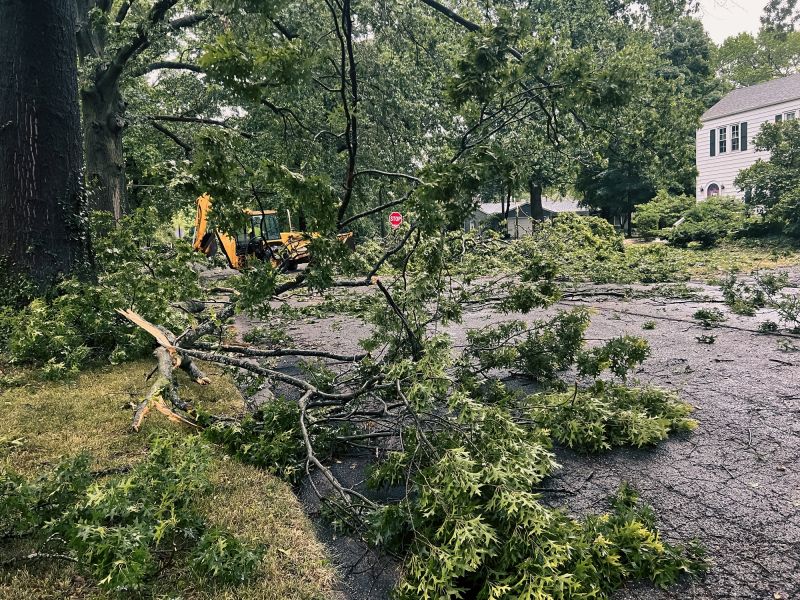
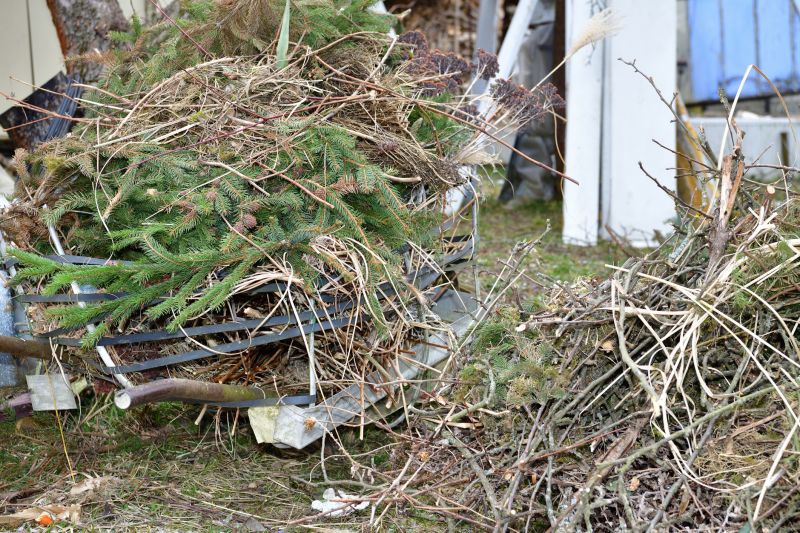
Tree debris removal services involve the careful clearing and disposal of fallen branches, leaves, and other organic materials that accumulate on a property. This work typically includes raking up leaves, trimming and removing dead or hazardous branches, and hauling away debris to keep outdoor spaces clean and safe. Many service providers also offer cleanup of storm-damaged trees or limbs that have broken and fallen unexpectedly. The goal is to restore a neat appearance and prevent debris from creating hazards or obstructing pathways, driveways, or lawn areas.
These services help address common problems such as clogged gutters, overgrown or hazardous branches, and yard clutter caused by seasonal shedding or storm events. Accumulated debris can lead to issues like mold growth, pest infestations, or damage to lawn equipment and landscaping features. Removing tree debris regularly can also reduce the risk of falling branches causing injury or property damage, especially during storms or high winds. For homeowners concerned about maintaining a tidy, safe outdoor environment, tree debris removal offers a practical solution.
Properties that typically benefit from tree debris removal include residential yards, especially those with mature trees, as well as commercial properties, parks, and community spaces. Homes with large or multiple trees often see a buildup of leaves and broken branches that need to be managed to keep outdoor areas safe and visually appealing. Property managers and business owners may also seek these services to maintain a clean appearance and prevent potential hazards that debris can create. Regular tree debris removal is an important part of overall property maintenance for anyone looking to keep their outdoor spaces well-kept.
Service providers capable of handling tree debris removal often work with homeowners, property managers, and business owners across a variety of property types. Whether it’s a single-family residence, a multi-unit complex, or a public park, local contractors can assess the specific needs of each property and provide tailored debris removal solutions. This service is especially useful after storms, during seasonal cleanups, or as part of ongoing yard maintenance. Contacting local pros can help determine the best approach to keep outdoor spaces safe, clean, and free of unwanted tree debris.
The overview below groups typical Tree Debris Removal projects into broad ranges so you can see how smaller, mid-sized, and larger jobs often compare in your area.
In many markets, a large share of routine jobs stays in the lower and middle ranges, while only a smaller percentage of projects moves into the highest bands when the work is more complex or site conditions are harder than average.
Small Tree Debris Removal - typical costs range from $250 to $600 for many smaller jobs, such as clearing fallen branches or leaves from yards. Many routine cleanup projects fall within this middle range, making them the most common type of service. Larger or more complex jobs can occasionally exceed this range.
Medium-Sized Tree Debris Removal - for more extensive debris removal involving multiple trees or larger branches, local contractors often charge between $600 and $1,500. These projects are less frequent but still represent a significant portion of typical work. Costs can vary based on the volume and accessibility of debris.
Larger Tree Debris Clearing - removing debris from sizable trees or storm-damaged areas can range from $1,500 to $3,000. Such projects are less common and usually involve significant equipment or multiple days of work. Prices tend to increase with the complexity and scope of the cleanup.
Full Property Debris Removal - comprehensive cleanup of an entire property following storm damage or tree removal can reach $3,000 or more, with larger, more complex projects potentially exceeding $5,000. These extensive jobs are less frequent but require detailed planning and multiple service providers. Costs depend heavily on the size of the property and amount of debris.
Actual totals will depend on details like access to the work area, the scope of the project, and the materials selected, so use these as general starting points rather than exact figures.
Tree Trimming and Pruning - professionals who shape and maintain trees often use similar tools and planning strategies as those used in debris removal projects.
Stump Grinding and Removal - involves the use of specialized equipment to eliminate leftover tree stumps, sharing skills with debris clearing tasks.
Land Clearing Services - includes removing brush, small trees, and vegetation, which requires similar planning and equipment as debris cleanup.
Storm Damage Cleanup - addressing fallen branches and damaged trees involves debris removal techniques and safety considerations comparable to regular tree debris services.
Landscape Cleanup and Hauling - involves clearing yard waste and debris, utilizing similar tools and logistical planning as tree debris removal projects.
Emergency Tree Removal - entails quick response to hazardous trees, requiring similar safety protocols and equipment handling as debris removal services.
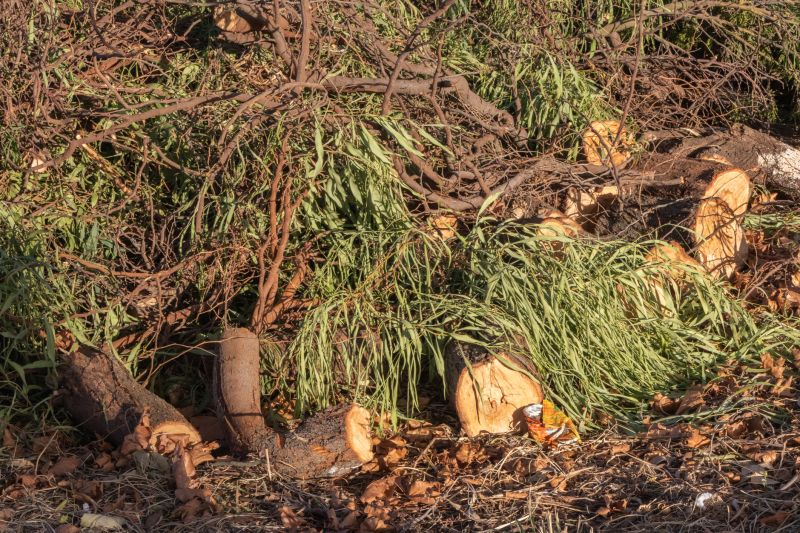
When evaluating potential service providers for tree debris removal, it is important to consider their experience with similar projects. Homeowners should inquire about how long the contractor has been handling tree debris removal and whether they have completed jobs comparable in size and scope. An experienced local contractor is more likely to understand the specific challenges that can arise in the area, such as local tree species or property layouts, which can influence the quality and efficiency of the work. By focusing on a contractor’s background with similar projects, homeowners can gain confidence that they are selecting a provider familiar with the demands of tree debris cleanup.
Clear written expectations are essential to ensure the project proceeds smoothly and meets the homeowner’s needs. When comparing local options, it’s helpful to request detailed written estimates or work descriptions that outline what will be included in the service. This documentation should specify the scope of debris removal, cleanup procedures, and any other relevant details. Having these expectations clearly documented helps prevent misunderstandings and provides a basis for evaluating whether a contractor’s proposal aligns with the homeowner’s goals. It also offers a reference point for addressing any questions or concerns that may arise during the project.
Reputable references and good communication are key indicators of a reliable service provider. Homeowners should seek out local contractors who can provide references from previous clients with similar projects. Talking to past customers can reveal insights into the contractor’s professionalism, reliability, and quality of work. Additionally, responsive and clear communication during the inquiry process indicates that the contractor values customer needs and is attentive to details. These qualities help ensure that the homeowner can establish a positive working relationship with the service provider, leading to a more satisfactory overall experience when managing tree debris removal.
Property owners use Tree Debris Removal services for practical projects around their homes and businesses. This guide focuses on everyday jobs and straightforward project options.
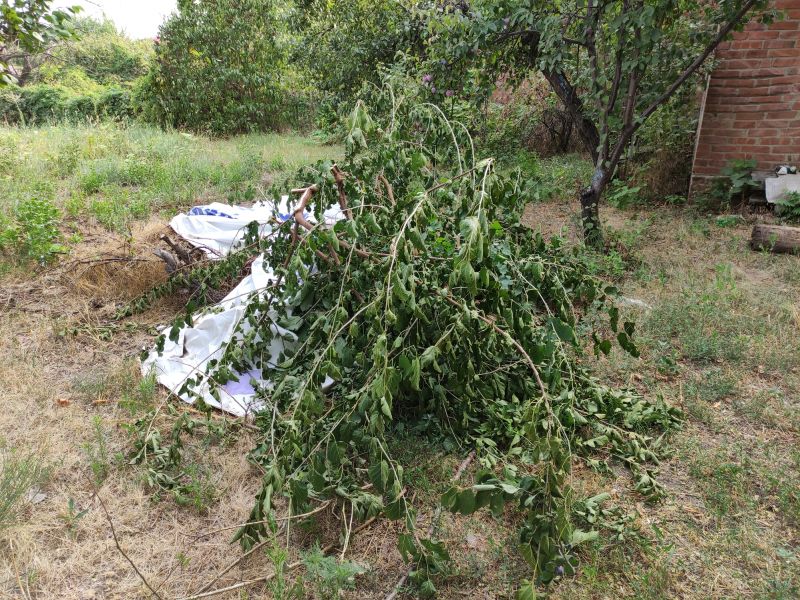
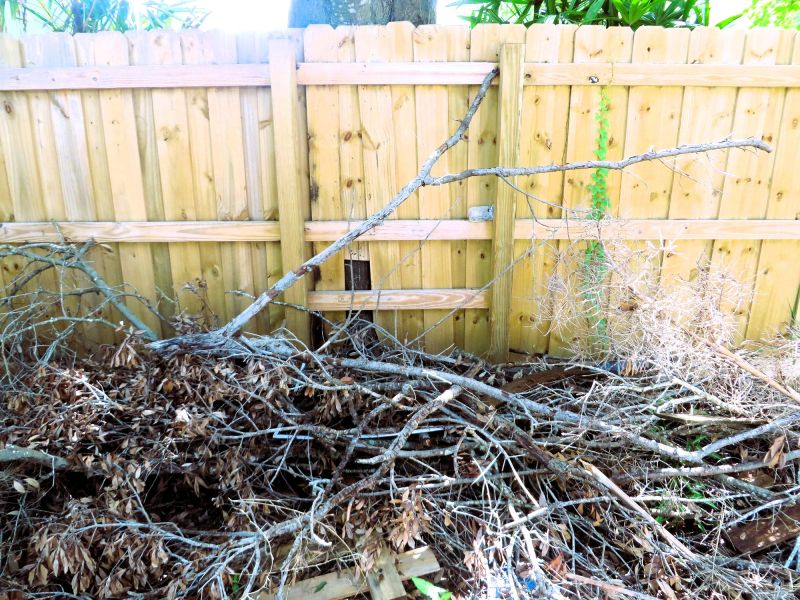
Tree debris removal services are often sought by property owners dealing with fallen branches, leaves, or storm damage that clutter lawns and outdoor spaces. Whether clearing after a storm or routine yard maintenance, local contractors can help tidy up outdoor areas to improve appearance and prevent potential hazards caused by debris buildup. These services are commonly needed during seasonal changes when trees shed more leaves or after severe weather events that leave branches scattered across the property.
Property owners may also look for tree debris removal to prepare for landscaping projects, yard cleanups, or to maintain safety around walkways and driveways. Clearing away accumulated debris can help prevent pest issues and reduce the risk of damage to lawns or garden beds. Local service providers offer the expertise to efficiently and safely remove unwanted tree debris, helping property owners keep outdoor spaces clean and well-maintained.
What types of tree debris removal services are available? Local contractors typically offer services such as branch trimming, fallen tree cleanup, and yard debris hauling to keep outdoor spaces clear and safe.
How can tree debris removal improve my property? Removing tree debris can enhance the appearance of a yard, prevent damage to lawns or structures, and reduce the risk of pests or disease spreading from decaying material.
What should I consider when choosing a tree debris removal service? It's helpful to look for experienced local service providers who have the necessary equipment and reputation for thorough cleanup and responsible disposal.
Are there any environmental considerations for tree debris removal? Many local contractors focus on proper disposal or recycling of tree debris to minimize environmental impact, ensuring responsible handling of organic waste.
How do local contractors handle large or hazardous tree debris? Service providers often have specialized equipment and trained personnel to safely manage large, fallen, or hazardous debris, ensuring safe removal from your property.
Yard Cleanup After Storms - Local contractors can remove fallen branches and debris to restore a tidy outdoor space after severe weather.
Seasonal Leaf and Debris Removal - Property owners can prepare lawns for winter or spring by clearing accumulated leaves and plant debris.
Clearing Overgrown Areas - Professionals can tidy up overgrown sections of a yard by removing dead branches and clutter from trees and shrubs.
Preparing for Landscaping Projects - Debris removal services can clear the area to create a clean workspace for planting or other outdoor improvements.
If you are thinking about Tree Debris Removal for a property, this guide is meant to help you understand the work, the typical project types, and how different options might fit your plans.
When you are ready, you can use the quote form on this page to share a few details about your project. From there, local pros can review the basics and respond with options that match what you have in mind.