
Get Gas Line Relocation
Gas line relocation services help property owners safely move or adjust underground or overhead gas lines for renovations, new construction, or safety improvements by connecting with trusted local contractors.
Property owners considering gas line relocation often face important planning decisions to ensure safety and compliance. Whether upgrading an existing property, installing new appliances, or modifying layouts, understanding the options for relocating gas lines is a key step in the process. Local contractors experienced in gas line work can provide valuable insights and practical solutions tailored to the specific needs of the area, helping property owners make informed choices for their projects.
Exploring local service providers allows property owners to compare the expertise and services available in their community. Many local contractors are equipped to handle gas line relocation efficiently, ensuring that projects meet safety standards and local regulations. Continuing to read can help identify trusted professionals who can assist with planning and executing a safe, effective gas line relocation tailored to your property’s requirements.
- Gas Line Relocation for Renovations - when remodeling a property that requires rerouting existing gas lines to accommodate new layouts.
- Emergency Gas Line Relocation - in urgent situations where damaged or unsafe gas lines need immediate moving to ensure safety.
- New Construction Gas Line Installation - during the building of new structures that require the installation or rerouting of gas lines to meet design plans.
- Property Expansion Projects - when adding extensions or additional structures that necessitate relocating gas lines for proper service.
- Gas Line Upgrades or Replacements - when outdated or damaged gas lines need to be moved or replaced to improve safety and functionality.
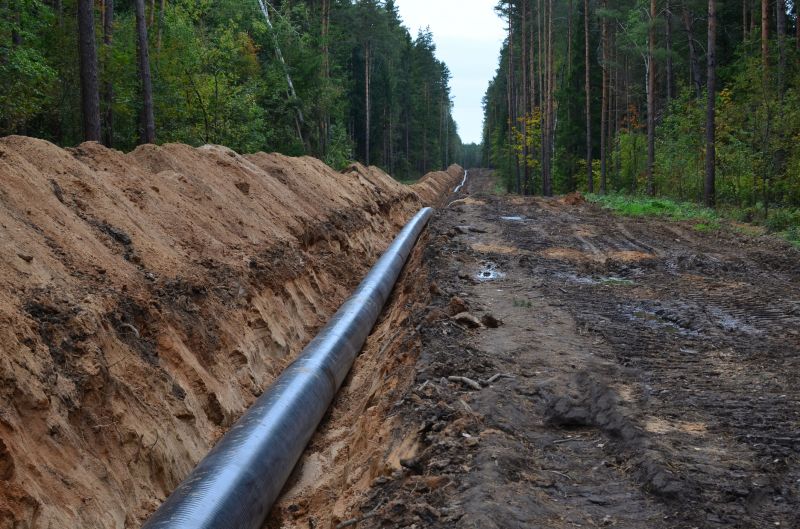
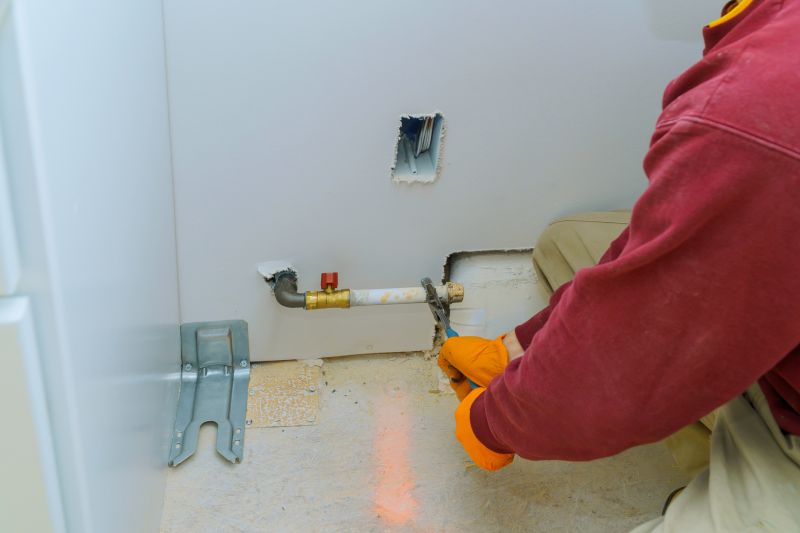
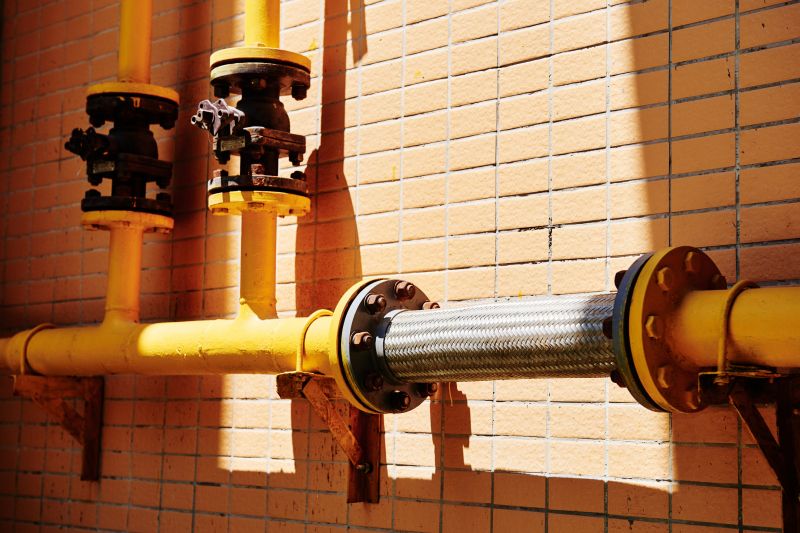
Gas line relocation services involve the careful process of moving existing natural gas pipelines to new locations on a property. This work typically requires excavation, precise adjustments to the gas line routing, and reconnecting the system to ensure continued safe and reliable operation. Skilled service providers assess the current setup, determine the best new route, and perform the necessary work to meet safety standards and local codes. Gas line relocation is often part of larger property renovations, additions, or improvements that require changes to the original gas line placement.
This service helps address several common problems homeowners face when planning major property modifications. For example, if a new driveway, garage, or extension encroaches on existing gas lines, relocating the pipes can prevent potential conflicts and ensure safety. It also helps resolve issues where existing gas lines are in inconvenient locations for new landscaping, fencing, or outdoor structures. By moving the gas line, homeowners can avoid costly future adjustments and reduce the risk of accidental damage during construction or landscaping projects.
Gas line relocation is frequently needed on residential properties, especially those undergoing significant renovations or expansions. Homes with older gas infrastructure may require updates to meet current safety standards or to accommodate new appliances and equipment. Properties with large yards or those planning to build outdoor kitchens, pools, or other features that interfere with existing gas lines also benefit from this service. Additionally, commercial properties or multi-unit residential buildings might require gas line adjustments to support new or relocated utilities.
Homeowners considering gas line relocation should understand that the process involves careful planning and skilled execution to ensure safety and compliance. It’s typically recommended when existing gas lines are in the way of planned construction, or if there are concerns about the integrity or accessibility of current pipelines. Connecting with experienced local contractors can help determine the best approach for each property, ensuring that the gas system remains safe and functional after the work is completed.
The overview below groups typical Gas Line Relocation projects into broad ranges so you can see how smaller, mid-sized, and larger jobs often compare in your area.
In many markets, a large share of routine jobs stays in the lower and middle ranges, while only a smaller percentage of projects moves into the highest bands when the work is more complex or site conditions are harder than average.
Smaller Repairs - typical costs for minor gas line relocations usually range from $250 to $600. Many routine jobs fall within this middle range, depending on the complexity of the work and accessibility. Fewer projects reach into the higher end of this spectrum.
Moderate Replacements - medium-scale gas line relocations typically cost between $600 and $2,000. These projects often involve longer runs or more involved adjustments, with most falling within this range. Larger, more complex jobs can exceed this amount.
Full Line Relocation - comprehensive relocation projects generally range from $2,000 to $5,000 or more. Such jobs often include extensive excavation, permits, and system upgrades, with many projects landing in the middle of this band. Larger projects with additional complexity can push costs higher.
Complex or Custom Jobs - highly intricate or customized gas line relocations can cost $5,000 and above. These projects are less common and typically involve significant planning, permits, and specialized work. Local contractors can provide estimates based on specific project details.
Actual totals will depend on details like access to the work area, the scope of the project, and the materials selected, so use these as general starting points rather than exact figures.
Underground Utility Installation - local contractors skilled in installing various underground utilities, including water, electrical, and communication lines, share similar planning and excavation techniques as gas line relocation projects.
Pipeline Repair and Replacement - professionals experienced in repairing or replacing existing pipelines utilize similar skills in trenching, pipe handling, and safety protocols as gas line relocation services.
Foundation and Basement Excavation - excavation specialists working on foundation or basement projects employ comparable planning, site assessment, and excavation tools used in gas line rerouting.
Drainage System Installation - installing new drainage or sewer systems involves trenching, pipe fitting, and site coordination akin to gas line relocation tasks.
Outdoor Plumbing Relocation - moving or installing outdoor water lines and fixtures requires similar planning, excavation, and pipe handling skills as gas line adjustments.
Cable and Conduit Installation - laying electrical or communication conduits underground involves trenching, precise placement, and safety measures comparable to gas line relocation work.
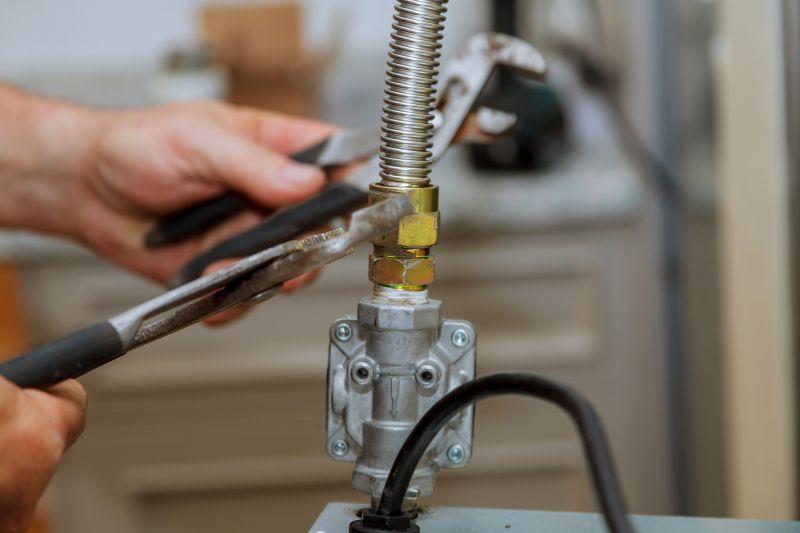
When comparing service providers for gas line relocation, it is important to consider their experience with similar projects. Homeowners should inquire about how many gas line relocations the contractor has completed and whether they have worked on projects of comparable complexity and scope. An experienced contractor will be familiar with the common challenges and best practices, which can help ensure the work is performed efficiently and correctly. This background can provide peace of mind that the selected professional has a proven track record of handling gas line modifications safely and effectively.
Clear written expectations are essential when choosing a local contractor for gas line relocation. Homeowners should seek detailed estimates or proposals that outline the scope of work, materials to be used, and any specific responsibilities of the contractor. Having this information in writing helps prevent misunderstandings and provides a reference point throughout the project. It also allows homeowners to compare different options more objectively, ensuring that the chosen service provider’s approach aligns with their needs and expectations.
Reputable references and good communication are key indicators of a reliable service provider. Homeowners can ask potential contractors for references from past clients who had similar projects completed. Speaking with previous customers can offer insights into the contractor’s professionalism, punctuality, and quality of work. Additionally, a contractor who communicates clearly and promptly can help keep the project on track and address any questions or concerns along the way. It’s important to remember that the site introduces homeowners to local options, not that it performs the work itself, so taking the time to evaluate these factors can lead to a more informed and confident decision.
Property owners use Gas Line Relocation services for practical projects around their homes and businesses. This guide focuses on everyday jobs and straightforward project options.
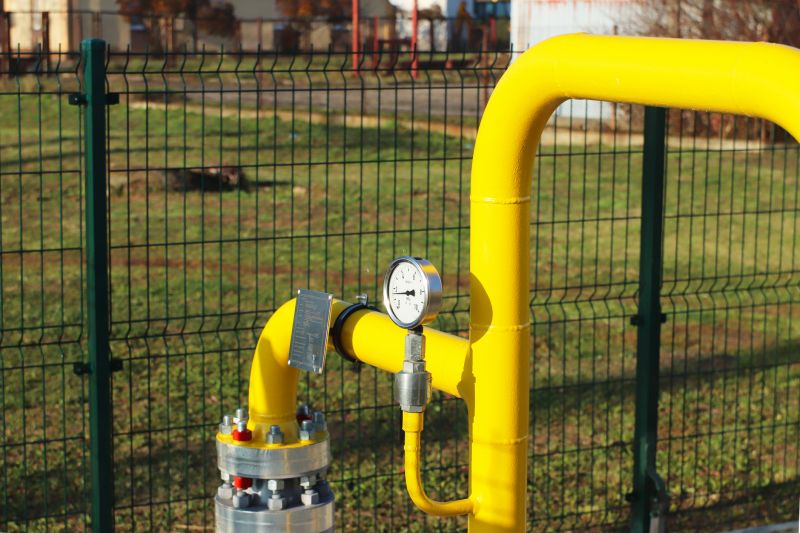
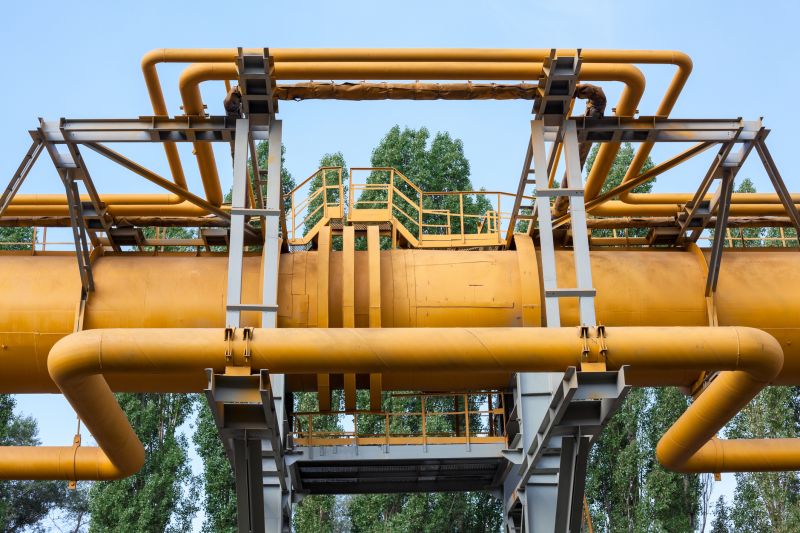
Gas line relocation services are often needed when property owners plan renovations, additions, or landscaping projects that interfere with existing underground utilities. For example, if a homeowner is expanding their driveway or installing a new deck, they might require the gas line to be moved to ensure safety and compliance. Local contractors can handle these adjustments efficiently, helping to prevent potential issues and ensuring the gas lines are correctly rerouted to accommodate new structures or changes on the property.
Additionally, property owners may seek gas line relocation when upgrading appliances or switching to different fuel sources that require different connections. Whether replacing an old appliance or installing a new outdoor kitchen, having the gas line properly moved by experienced service providers can be an essential step. Local professionals are equipped to manage these projects, making sure the work aligns with safety standards and local regulations.
What is involved in relocating a gas line? Gas line relocation typically involves disconnecting the existing line, rerouting it to the new location, and ensuring proper connection and testing for safety and compliance.
Why might I need to relocate a gas line? Gas line relocation may be necessary for home renovations, adding new appliances, or changing the layout of a property to better suit your needs.
How do local contractors ensure safety during gas line relocation? Professional service providers follow safety protocols, use specialized equipment, and adhere to local codes to ensure the safe handling and installation of gas lines.
Can a gas line be relocated indoors and outdoors? Yes, local contractors can handle both indoor and outdoor gas line relocations, depending on the requirements of the project and property layout.
What should I consider before hiring a professional for gas line relocation? It’s important to verify that the service provider has experience with gas line work, understands local regulations, and can provide proper permits if needed.
Home Renovation Projects - Relocating gas lines can facilitate kitchen or bathroom remodels by providing more flexible layout options.
Outdoor Living Space Improvements - Moving gas lines allows for the installation of outdoor kitchens, fire pits, or grills in new locations.
Garage or Workshop Additions - Adjusting gas lines can support the addition of new heating or appliance setups in expanded or new structures.
Property Expansion or Landscaping - Relocating gas lines can enable driveway extensions, patios, or landscaping features without interference.
If you are thinking about Gas Line Relocation for a property, this guide is meant to help you understand the work, the typical project types, and how different options might fit your plans.
When you are ready, you can use the quote form on this page to share a few details about your project. From there, local pros can review the basics and respond with options that match what you have in mind.