
Get Storm Shelter Installation
Local contractors offer storm shelter installation services that protect property owners from severe weather by building safe, durable spaces like storm cellars and safe rooms.
Property owners in the area seeking reliable storm shelter installation services can find valuable assistance by exploring local contractors experienced in this important work. Planning a storm shelter project involves careful consideration of safety, placement, and building codes, making it beneficial to compare options among qualified service providers who understand the unique needs of the community. Continuing to explore your choices can help ensure the right fit for your property and peace of mind during severe weather events.
This page connects you with local contractors capable of handling storm shelter installation projects efficiently and professionally. Whether you are considering adding a new shelter or upgrading an existing one, reviewing available service providers can help you make informed decisions tailored to your property’s requirements. Keep reading to discover how local experts can support your project and provide the solutions you need.
- Storm Shelter Installation - when a property owner wants to add a secure space for storm safety.
- Underground Storm Shelter Construction - if a homeowner prefers a hidden, protected shelter below ground level.
- Prefab Storm Shelter Setup - for those seeking a quick and efficient way to install a ready-made shelter.
- Custom Storm Shelter Design - when a client needs a shelter tailored to specific space or safety requirements.
- Storm Shelter Replacement or Upgrade - if existing shelters need modernization or improved safety features.
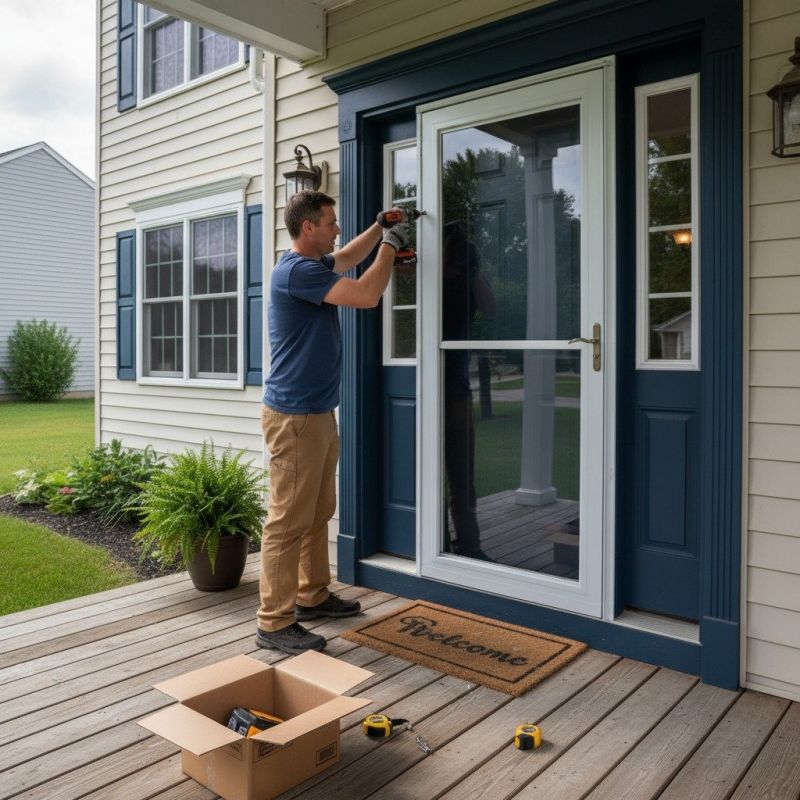
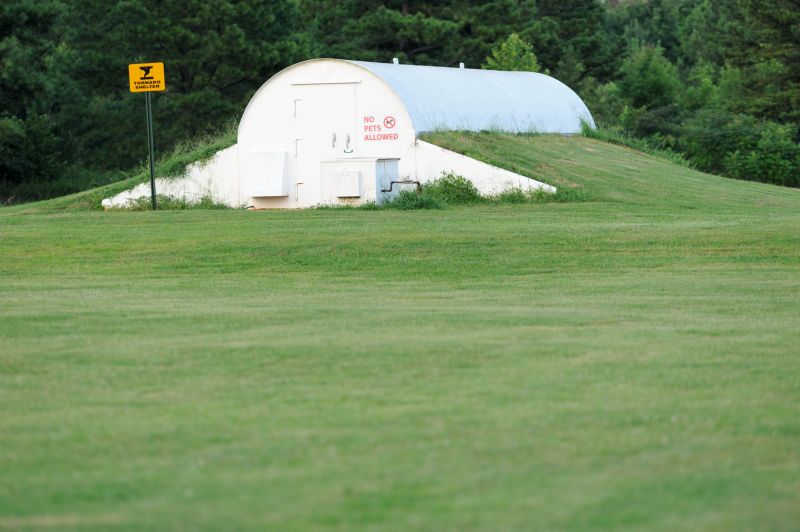
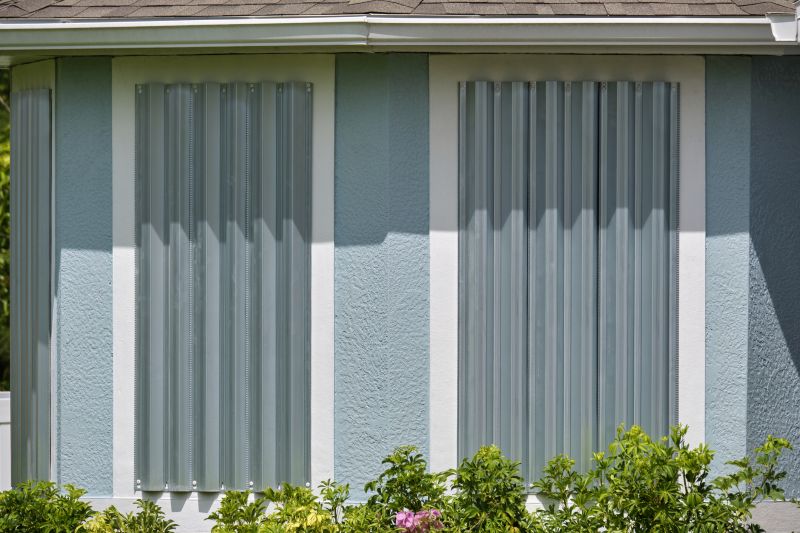
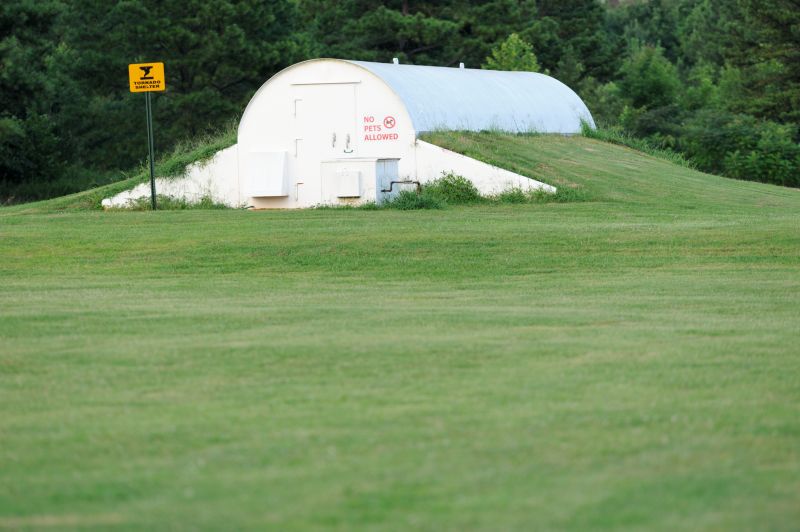
Storm shelter installation services involve the construction and setup of secure, durable structures designed to protect residents during severe weather events such as tornadoes, hurricanes, or strong storms. These shelters can be built underground, within garages, or as standalone units, depending on the property and homeowner preferences. The process typically includes site assessment, design planning, and the installation of the shelter to ensure it meets safety standards and fits seamlessly into the property. Local contractors specializing in storm shelter installation can help determine the most suitable type of shelter based on the property's layout and the specific weather risks in the area.
This service helps address the critical need for safety during unpredictable and dangerous weather conditions. A properly installed storm shelter provides a safe space for family members to seek refuge quickly when severe weather strikes. It reduces the risk of injury or worse by offering a protected area that is easily accessible from within the home or property. For homeowners who live in regions prone to tornadoes, hurricanes, or frequent storms, installing a storm shelter can be an essential step in preparing for emergencies and ensuring peace of mind during storm seasons.
Storm shelter installation is commonly used on residential properties, including single-family homes, multi-family complexes, and rural properties. Homes with limited interior space or those located in areas with high storm risk often benefit the most from having an outdoor or in-ground shelter. Additionally, properties with children, elderly residents, or individuals with mobility challenges may find it especially important to have a shelter that is easily accessible and provides a safe haven during severe weather events. Local service providers can help assess the property and recommend the best type of shelter to meet specific safety needs and property requirements.
Homeowners considering storm shelter installation should evaluate their property’s layout, local weather risks, and safety priorities. Whether building a underground bunker, a garage-integrated shelter, or a standalone unit, local contractors can handle the installation process efficiently. These professionals ensure the shelter is correctly anchored, properly sealed, and compliant with safety standards, providing a reliable refuge when it’s needed most. Contacting experienced service providers can help determine the right solution to protect the property and its residents from the dangers of severe weather.
The overview below groups typical Storm Shelter Installation projects into broad ranges so you can see how smaller, mid-sized, and larger jobs often compare in your area.
In many markets, a large share of routine jobs stays in the lower and middle ranges, while only a smaller percentage of projects moves into the highest bands when the work is more complex or site conditions are harder than average.
Smaller Repairs - Basic storm shelter installation or minor repairs typically range from $250-$600 for many routine jobs. Most local contractors handle these projects within this range, though costs can vary based on specific site conditions.
Standard Installations - Mid-sized projects, such as installing a new storm shelter or replacing an existing one, generally fall between $1,000-$3,000. Many projects land in this middle range, with fewer reaching the higher end for more complex setups.
Large or Custom Projects - Larger, more complex storm shelter installations can cost $4,000-$8,000 or more, especially for custom designs or extensive site work. These projects are less common but are handled by local pros for clients with specific needs.
Full Replacement or Complex Builds - Complete storm shelter replacements or highly customized installations may exceed $10,000, depending on size and features. Such projects are typically at the higher end of the cost spectrum and involve detailed planning by experienced service providers.
Actual totals will depend on details like access to the work area, the scope of the project, and the materials selected, so use these as general starting points rather than exact figures.
Basement Egress Window Installation - installing egress windows requires similar planning, framing, and sealing skills as storm shelter installations to ensure safety and structural integrity.
Underground Utility Box Placement - placing utility boxes involves precise excavation and planning, comparable to the groundwork needed for storm shelter foundations.
Concrete Pad and Foundation Construction - building sturdy concrete pads or foundations for various structures shares techniques used in storm shelter base installation.
Emergency Exit Door Installation - installing emergency exit doors involves similar framing, sealing, and safety considerations as storm shelter entry points.
Underground Storage Tank Installation - setting up underground tanks requires excavation, planning, and sealing skills akin to those used in storm shelter setup.
Retaining Wall Construction - constructing retaining walls involves excavation, reinforcement, and precise planning, paralleling the skills needed for storm shelter foundations.
When evaluating service providers for storm shelter installation, it’s important to consider their experience with similar projects. Homeowners should seek out contractors who have a proven track record of completing storm shelter installations in their area or with comparable building requirements. An experienced contractor will be familiar with local codes, common challenges, and best practices, which can contribute to a smoother process and a more reliable end result. Asking potential providers about their past projects can help gauge their familiarity with storm shelters and their ability to handle the specific needs of a homeowner’s property.
Clear written expectations are essential for ensuring that both parties understand the scope of work, materials, and responsibilities involved in the project. Homeowners should look for service providers who provide detailed proposals or written estimates that outline what is included and what is not. This documentation helps prevent misunderstandings and provides a reference point throughout the project. A reputable contractor will be transparent about their processes and ensure that homeowners are well-informed about the work being performed, fostering a more straightforward and stress-free experience.
Good communication and reputable references are key indicators of a dependable service provider. Homeowners are encouraged to inquire about references or reviews from previous clients who had similar storm shelter installations. Speaking with past customers can provide insights into the contractor’s professionalism, reliability, and quality of work. Additionally, service providers who maintain open and responsive communication are more likely to address questions promptly and keep homeowners informed throughout the project. While the site introduces people to local options, it’s important to remember that the actual installation work is handled by trusted local contractors, not the site itself.
Property owners use Storm Shelter Installation services for practical projects around their homes and businesses. This guide focuses on everyday jobs and straightforward project options.
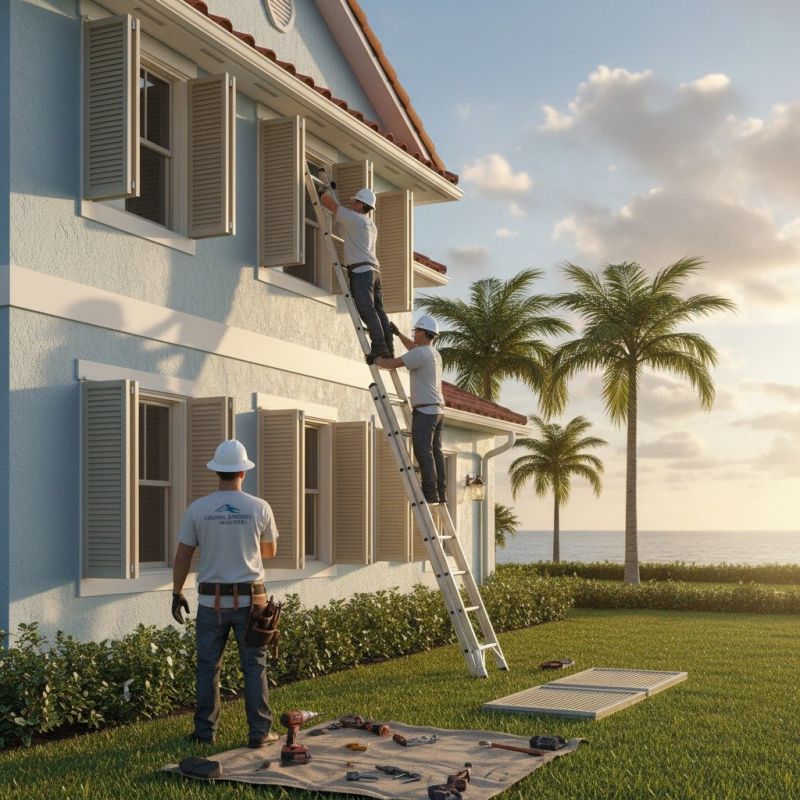
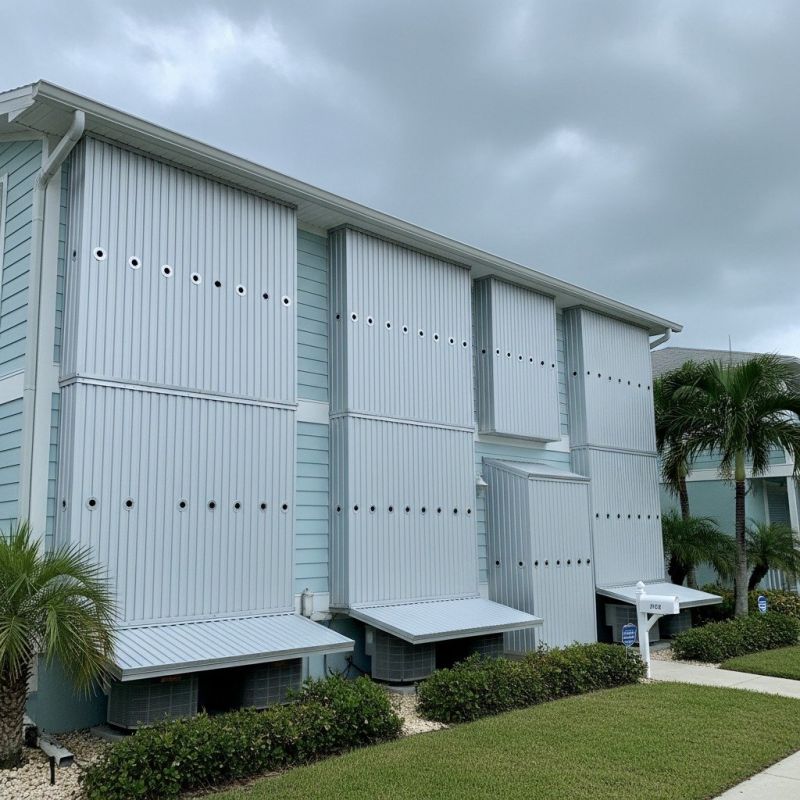
Storm shelter installation is a common project for property owners who want to enhance safety and preparedness in their homes or businesses. Local contractors are often sought after when residents need a reliable, sturdy shelter built to withstand severe weather conditions. Whether upgrading an existing structure or installing a new one, property owners typically look for experienced service providers to ensure the job is done correctly and efficiently.
Many property owners consider storm shelter installation as part of their overall safety planning, especially in areas prone to frequent storms or tornadoes. They may need a secure space for their family, employees, or community members, prompting them to contact local contractors who specialize in this type of work. These service providers can help evaluate the property, recommend suitable shelter options, and handle the installation process to meet safety standards.
What types of storm shelters do local contractors install? Local contractors typically install various storm shelters, including in-ground bunkers, above-ground safe rooms, and portable shelters, to suit different needs and property types.
Are storm shelter installations suitable for all home types? Many storm shelters can be installed in a variety of home types, such as single-family homes, mobile homes, and community buildings, depending on space and structural considerations.
What factors influence the installation process? Factors like the chosen shelter type, property layout, and local building codes can affect how and where a storm shelter is installed by service providers.
Can storm shelters be integrated into existing structures? Yes, some local contractors offer options to incorporate storm shelters into existing basements, garages, or other parts of a property for convenience and added protection.
How do local pros ensure proper storm shelter placement? Local service providers assess the property, consider safety and accessibility, and follow best practices to determine the optimal location for storm shelter installation.
Storm Shelter Installation for New Homes - Incorporate a storm shelter during new construction to ensure safety is built into the property's design from the start.
Adding a Storm Shelter to Existing Structures - Enhance safety by installing a storm shelter in an existing home or garage to provide quick refuge during severe weather.
Custom Storm Shelter Options - Explore various styles and sizes of storm shelters to match different property layouts and personal preferences.
Storm Shelter Maintenance and Upgrades - Work with local contractors to maintain, upgrade, or expand an existing storm shelter as needs evolve.
If you are thinking about Storm Shelter Installation for a property, this guide is meant to help you understand the work, the typical project types, and how different options might fit your plans.
When you are ready, you can use the quote form on this page to share a few details about your project. From there, local pros can review the basics and respond with options that match what you have in mind.